


Simple diabetic recipes should taste like real food. They should remind you of the meals, desserts, and comfort foods you enjoyed before diabetes, not leave you feeling like you're eating a plate of bland "diet food."
That has been my approach to low-carb cooking for years.
When I was first diagnosed with diabetes, I had the same thought many people have: What am I going to eat now? I assumed I would have to give up the foods I loved.
I eventually realized I didn't have to give them up. I needed to learn how to remake them.
That became the foundation for how I develop recipes today.
What makes a diabetic recipe taste like real food?
For me, there are three things that matter:
- It needs to taste good.
- It needs to be easy enough to make on a regular weeknight.
- It should use ingredients you can actually find and use again.
I generally aim for 8 to 10 ingredients or fewer and about 10 minutes or less of prep time whenever the recipe allows.
I also don't want someone to have to order five specialty ingredients online before they can make dinner.
A lot of recipes marketed toward people with diabetes miss this point. They may technically reduce carbohydrates, but the result can be bland, complicated, or nothing like the food you're actually craving.
That's not how I cook.
I recreate the foods I already loved
One of the easiest ways to make low-carb eating sustainable is to start with foods you already enjoy.
Instead of asking, "What can I eat that's diabetic-friendly?" I ask:
"How can I make the food I already want to eat with fewer carbohydrates?"
That's a completely different way of looking at it.
For example:
- Regular pasta becomes zucchini noodles or strips of cabbage.
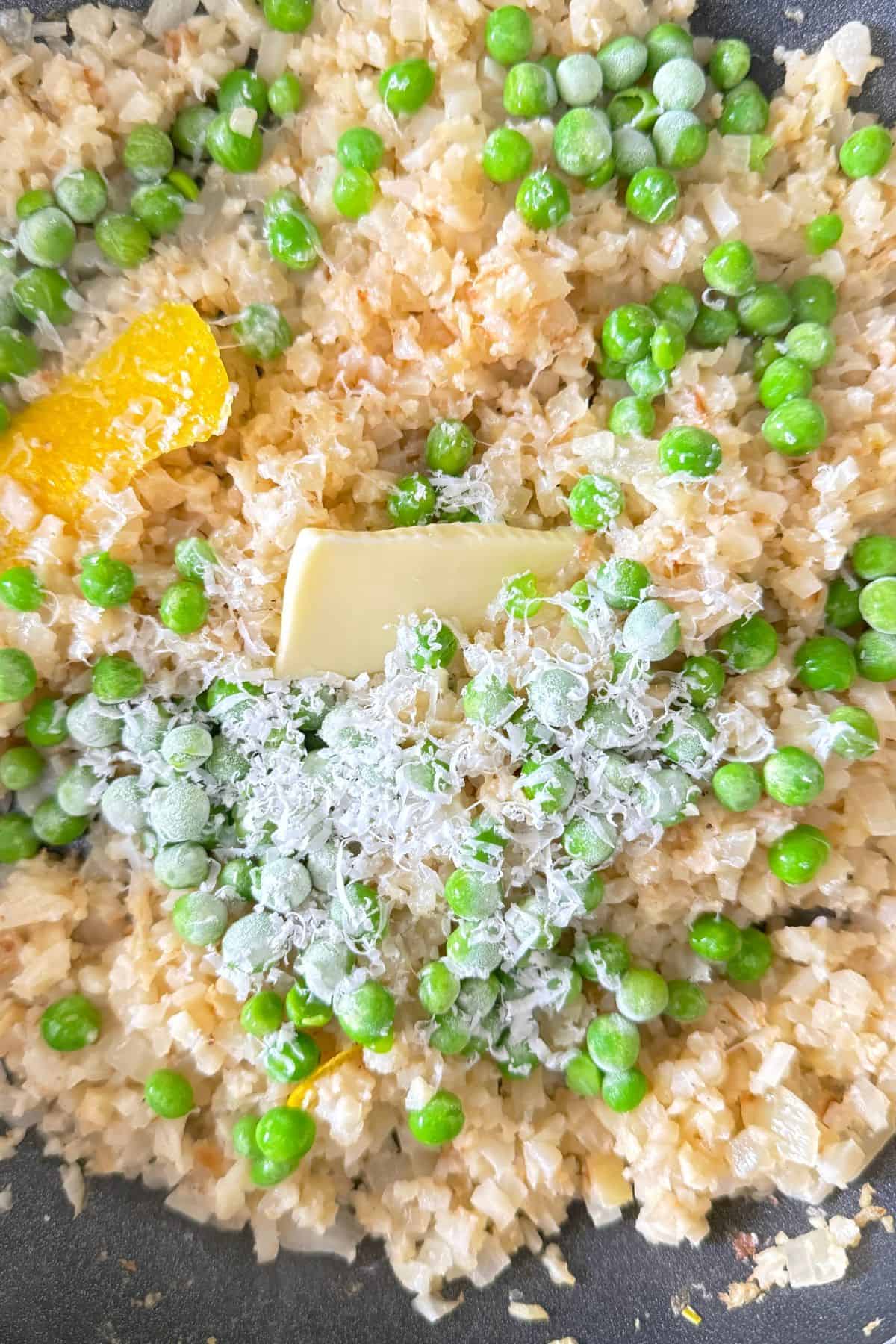
- Rice becomes cauliflower rice.
- Potatoes can become turnips.
- Regular flour becomes almond flour in many baked recipes.
- Breadcrumbs become crushed pork rinds.
- Sugar becomes monk fruit or another suitable sweetener.
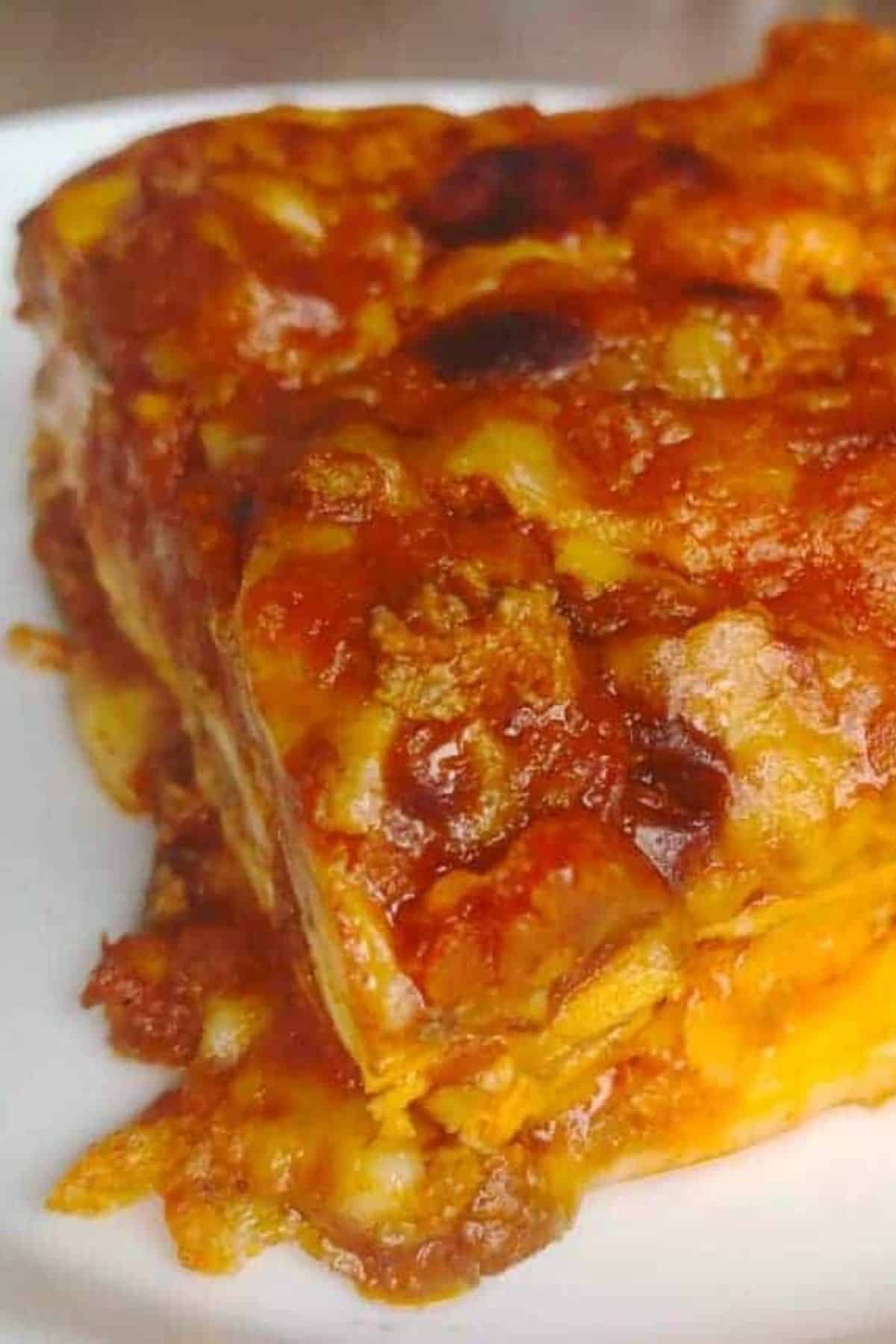
- Lasagna noodles can be replaced with slices of Swiss cheese and turkey.
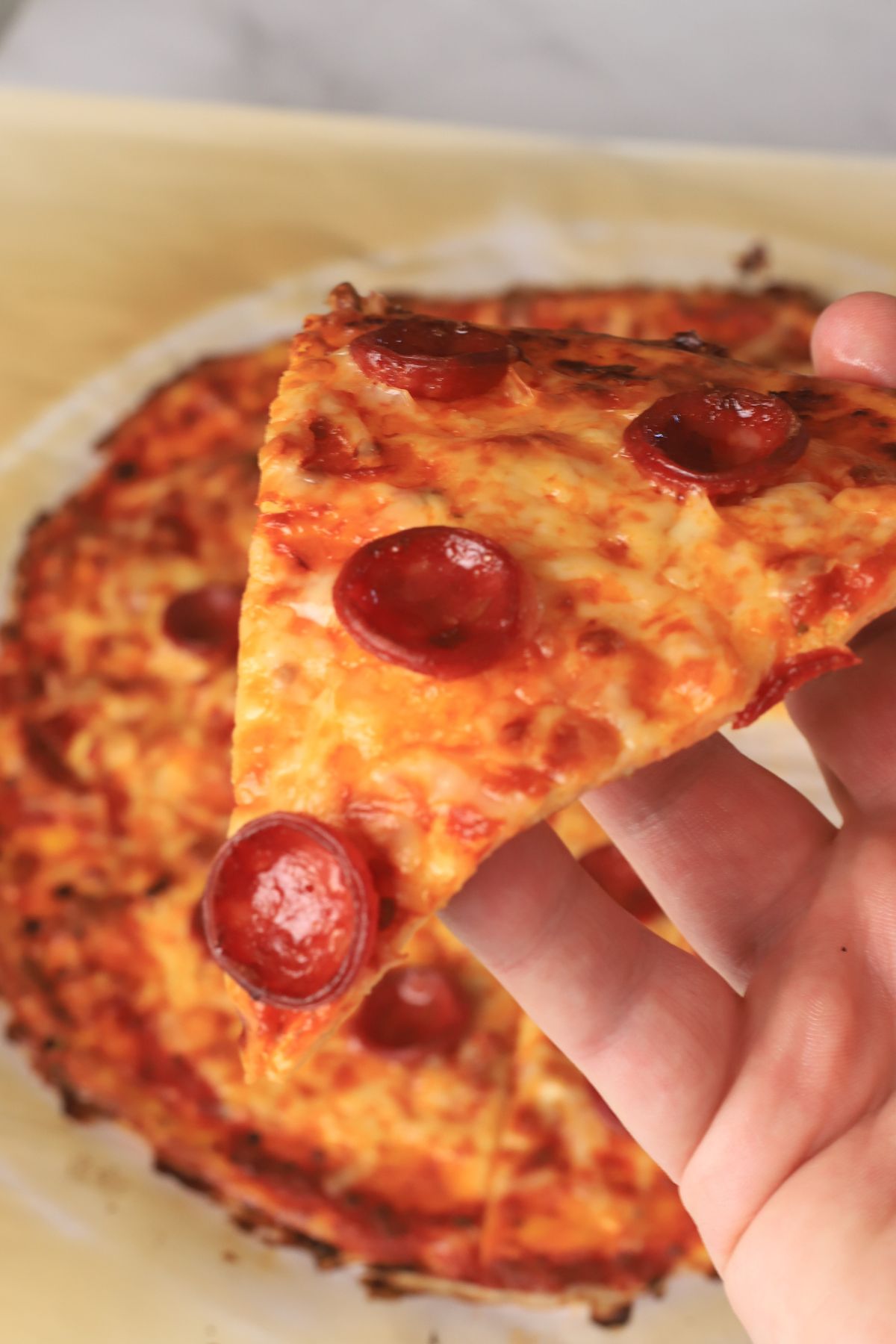
- Pizza crust can be made with ingredients such as cheese and eggs.
- Eggplant slices can replace a traditional pizza crust.
- Stir-fry can focus on protein and vegetables instead of noodles.
The goal isn't to make something that screams low-carb substitute.
The goal is to make dinner.
My dad didn't realize my lasagna had no noodles
One of my favourite examples is my low-carb lasagna.
My dad was used to my mom's traditional lasagna, complete with regular pasta noodles. When I made my low-carb version using Swiss cheese and turkey slices instead of the lasagna noodles, he didn't even realize the noodles were missing.
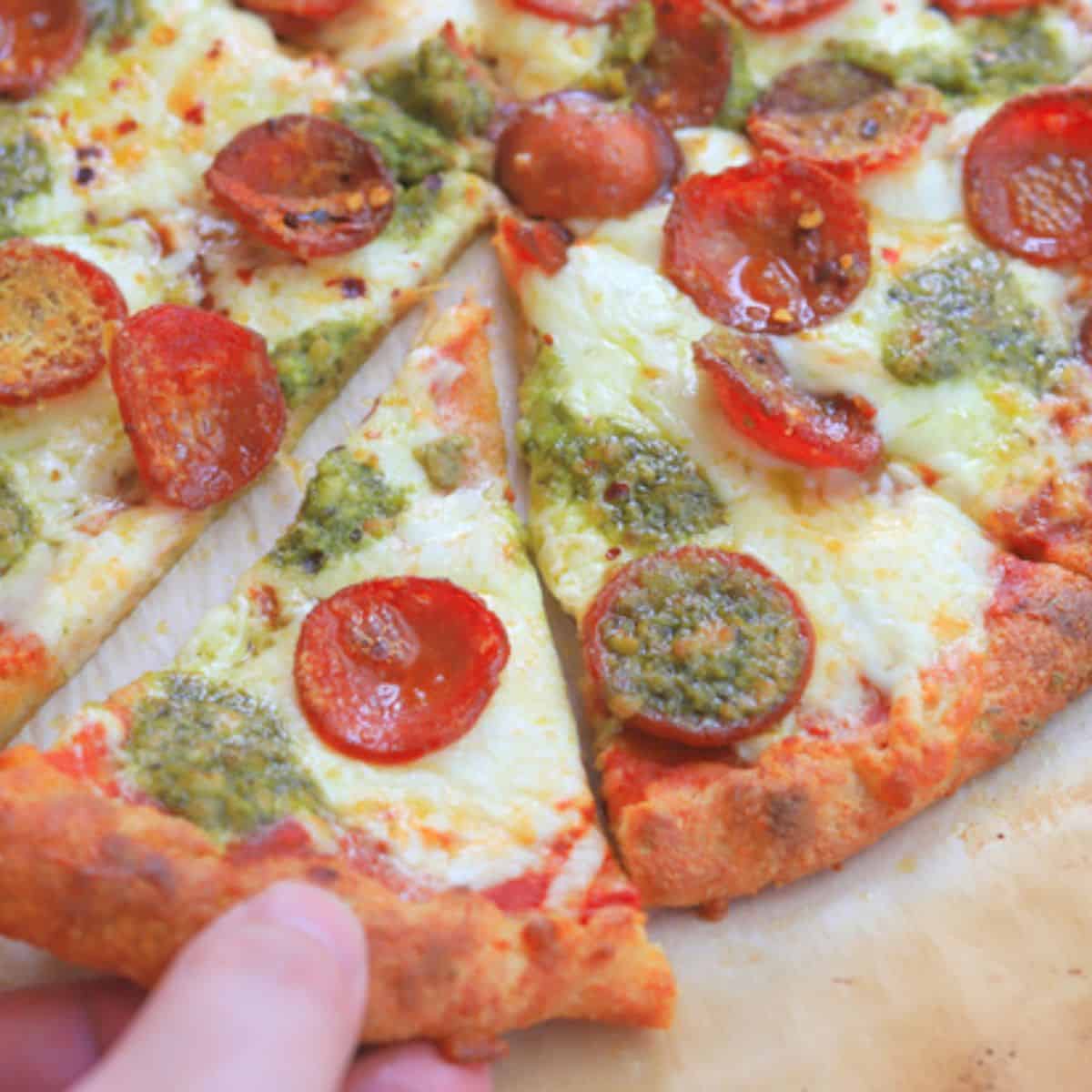
I've had a similar reaction from friends when I make my low-carb pizza.
That's the reaction I'm looking for.
If someone takes a bite and immediately says, "Oh, this tastes like diet food," I don't consider that a successful recipe.
My favourite low-carb swaps
You don't need a complicated list of specialty products to start changing your favourite recipes.
Here are some of the swaps I use repeatedly.
Low Carb Ingredient Swap Guide
Simple substitutions to keep your favorite meals low carb and diabetic-friendly
The trick is to choose a replacement that still gives you the texture or function you actually need.
Cauliflower rice is a good example
I keep frozen cauliflower rice in my freezer because it's convenient and creates far less mess than making it yourself.
And don't underestimate it.
When you cook cauliflower rice properly and season it well, you can get surprisingly close to the experience of eating regular rice.
I've used it for everything from fried rice to casseroles.
Some of my favourite simple diabetic recipes
If you're looking for ideas that fit this approach, these are some of the recipes I would start with.

Comfort food
- Keto Crispy Chicken Thighs
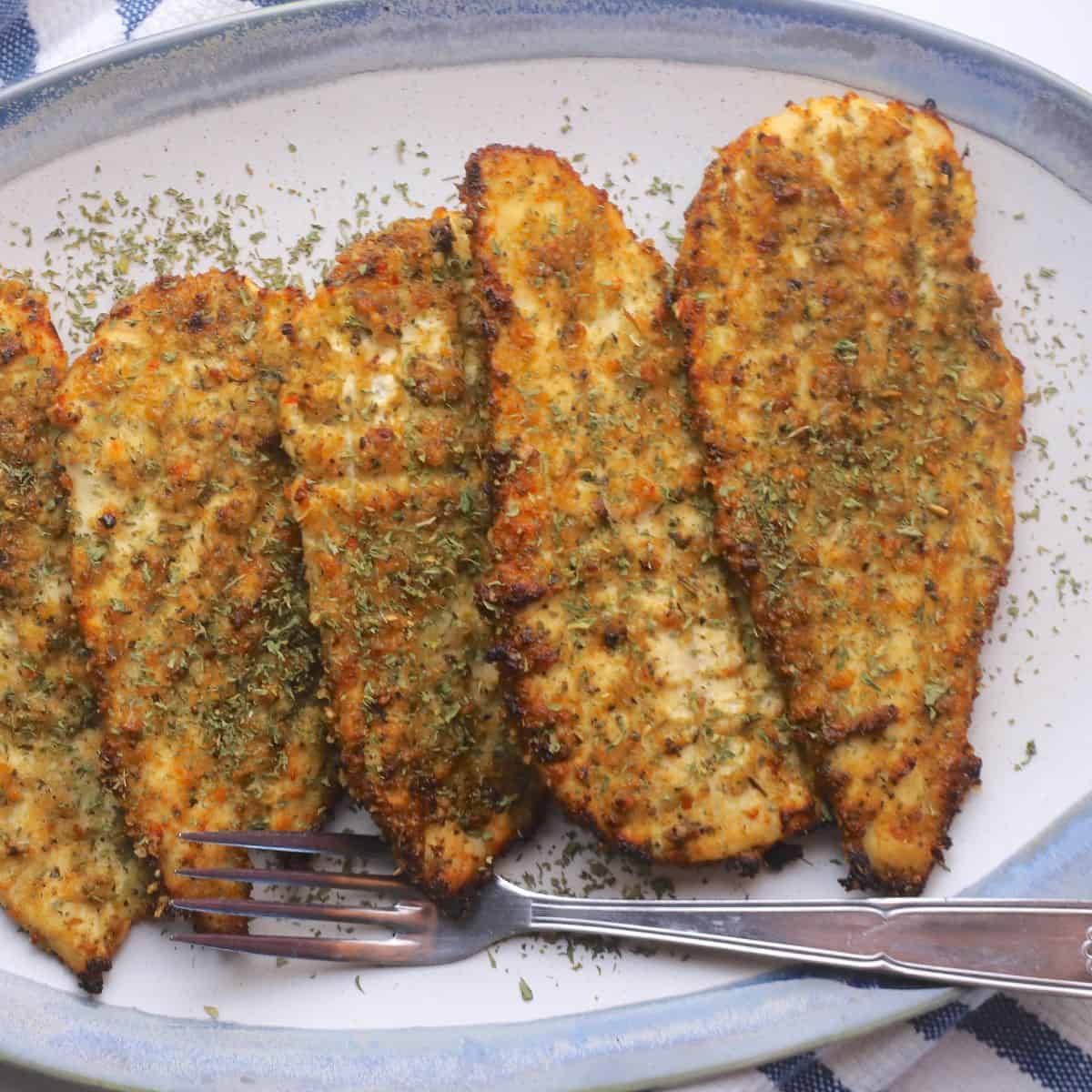
- Low Carb Chicken Cutlets
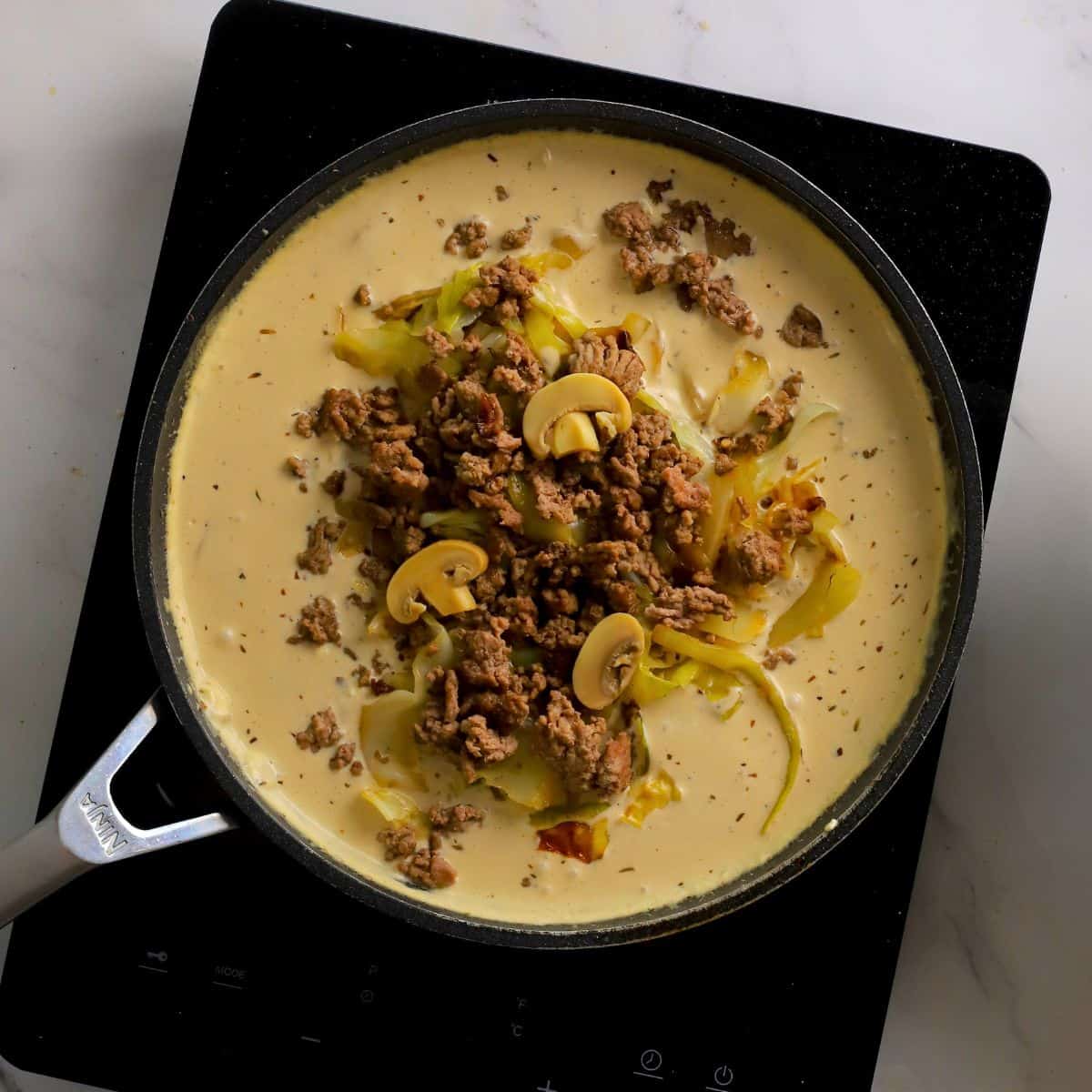
- Cabbage Beef Stroganoff
- Low Carb Taco Casserole
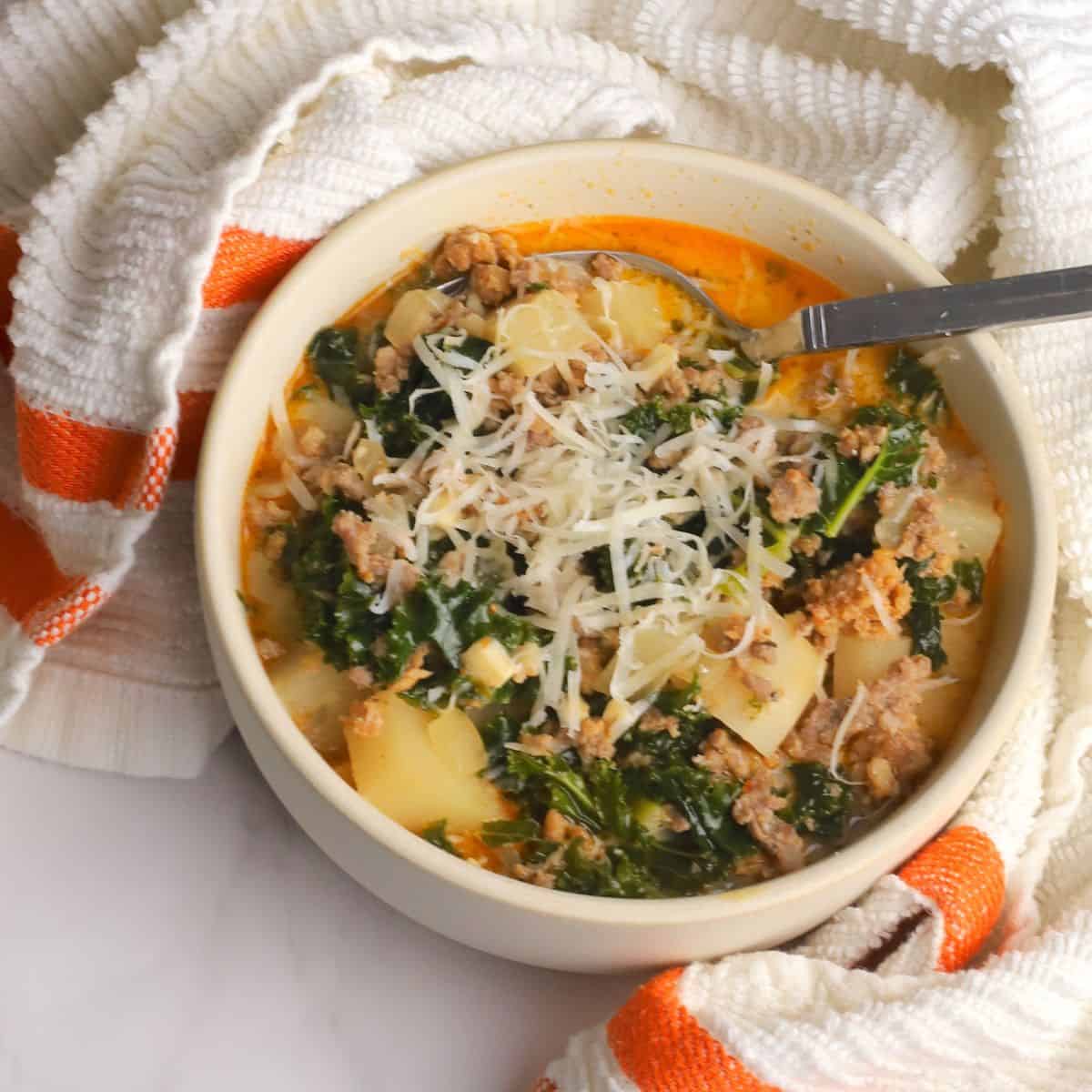
- Low Carb Zuppa Toscana
- Low Carb Pesto Caprese Chicken
- Swiss Chicken Casserole
- Air Fryer Stuffed Peppers
Takeout-style meals
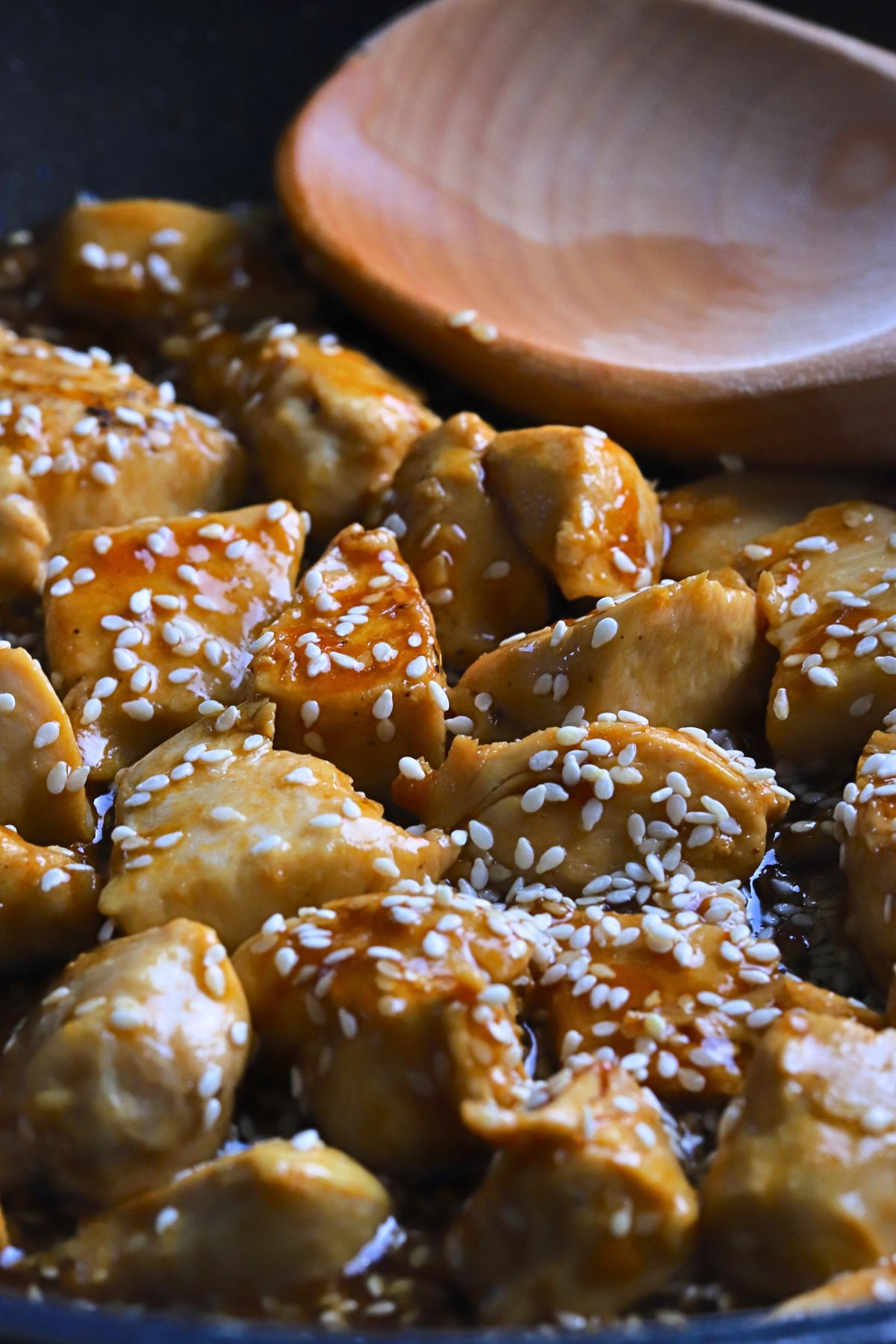
You don't have to give up the flavours of your favourite takeout meals.
Try:
These are the kinds of recipes that make low-carb eating feel like regular eating.
Pizza and pasta cravings
Pizza and pasta are two foods people often assume they have to eliminate.
I don't see it that way.
My Low Carb Pizza Crust is one of my favourite examples because you can still build a pizza with the toppings and flavours you enjoy.
For lasagna, I've experimented with replacing the noodles with Swiss cheese and turkey slices. It sounds unusual until you taste it.
That's when the idea makes sense.
Don't forget dessert
In my experience, desserts are one of the biggest things people with diabetes miss.
I've noticed that readers often look for low-carb versions of cakes, cookies, cheesecake and ice cream more than almost any other type of recipe.
I understand why.
Giving up dessert completely can make a new way of eating feel restrictive.
I'd rather create a dessert that actually satisfies the craving.
Some of my favourites include:
- Sugar Free Oatmeal Cookies
- Sugar Free Lemon Cookies
- No Bake Low Carb Peanut Butter Pie
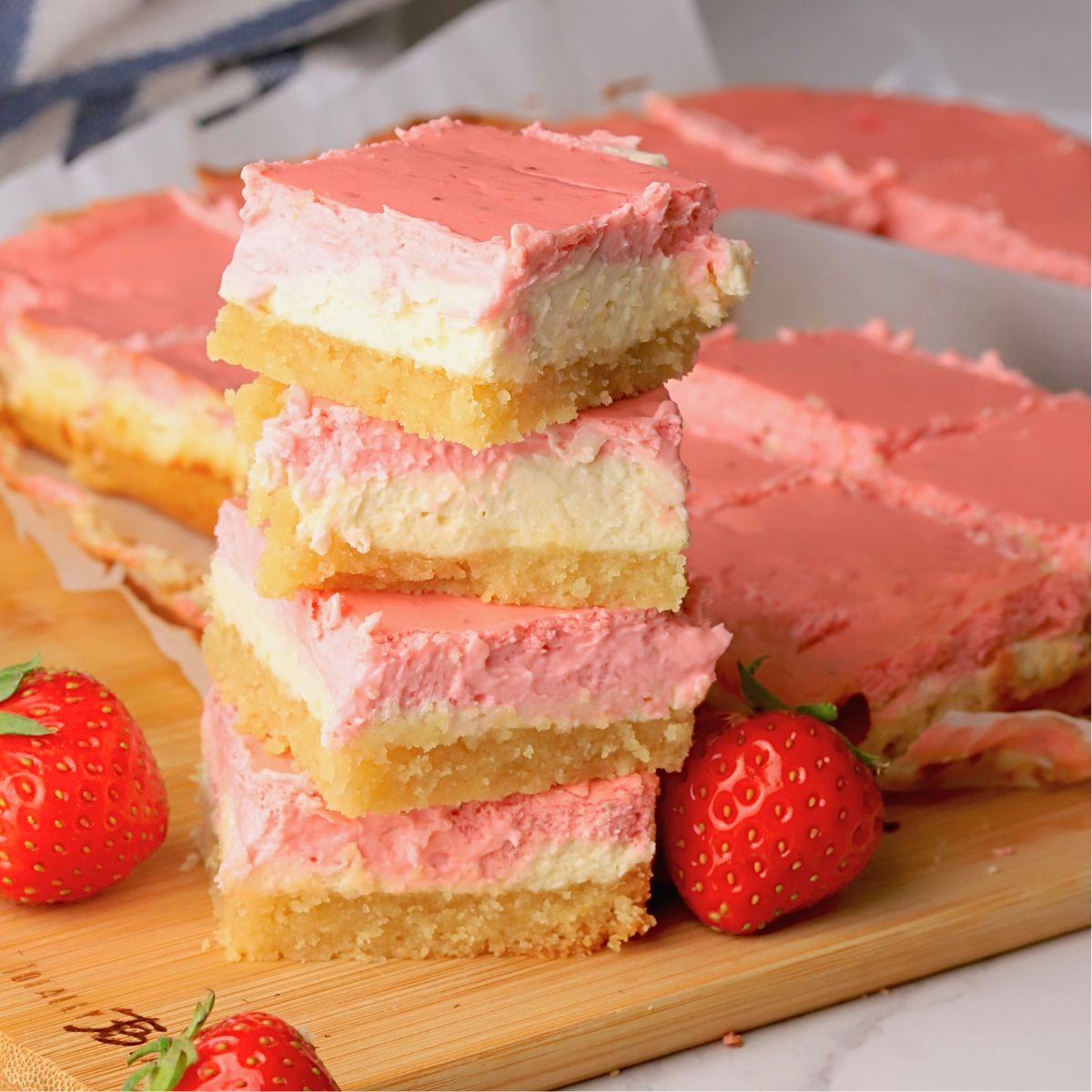
- Low Carb Strawberry Cheesecake Bars
- Low Carb Banana Bread
- Low Carb Carrot Cake
- Diabetic Chocolate Birthday Cake
- Cottage Cheese Blueberry Muffins
- Low Carb Lemon Brownies
- Sugar Free Lemon Loaf
- Low-carb cheesecakes
- Ninja Creami low-carb ice creams
I once made a low-carb chocolate birthday cake that turned out so well I felt like I was eating a traditional chocolate cake.
That's what I want from a dessert.
It should be sweet enough, creamy or tender where it needs to be, and have the mouthfeel you expect from the original dessert.
Calling something "low-carb" doesn't make up for a bad texture.
My favourite sweetener is monk fruit
I use monk fruit in much of my baking because I like the flavour and it's easy for me to find.
I also use allulose, although availability can be an issue depending on where you live. Stevia works well for some of my low-carb beverages, and I've used erythritol extensively in my recipes too.
There isn't one sweetener that works perfectly for every person or every recipe.
Diabetes Canada notes that non-nutritive sweeteners can be an option for people with diabetes, while sugar alcohols can have digestive effects in some people. Individual responses and preferences matter.
So my advice is simple: find the sweetener you like and learn how it behaves in your recipes.
You may need to experiment.
Don't add more fruit just because a recipe is "natural"
This is one area where I disagree with some approaches to low-carb baking.
I've seen recipes that try to replace sugar by adding large amounts of fruit. The result isn't necessarily sweet enough, and you can end up adding a significant amount of additional carbohydrate.
Fruit can certainly be part of a healthy diet, but if your goal is to create a low-carb version of a chocolate cake, adding extra fruit isn't automatically the answer.
Sometimes the better solution is simply using an appropriate sweetener and keeping the recipe focused on what you're actually trying to make.
Keep a few low-carb staples in your kitchen
You don't need a pantry full of unusual ingredients.
If you're starting out, I'd keep these on hand:
A rotisserie chicken alone can become several meals. Shred it over a salad, add it to a casserole, make chicken salad or use it in a quick stir-fry.
Frozen cauliflower rice is another shortcut I use all the time.
Shortcuts aren't cheating.
If buying frozen cauliflower rice means you're actually going to cook dinner instead of ordering takeout, use the frozen cauliflower rice.
Simple doesn't mean boring
One of my biggest rules is that low-carb food needs flavour.
That doesn't necessarily mean complicated sauces or a long ingredient list.
You can add flavour quickly with:
Sometimes a squeeze of lemon and a little seasoning makes a bigger difference than adding five more ingredients.
Read labels, especially on "sugar-free" products
A product saying "sugar-free" doesn't automatically mean it's low in carbohydrates.
When I'm shopping, I look at the Nutrition Facts table and ingredient list rather than relying on the front of the package.
Look at:
- Serving size
- Total carbohydrates
- Fibre
- Sugars
- Added sugars where listed
- Sugar alcohols
- The ingredient list
Sugar alcohols can also affect people differently, and some can cause digestive symptoms when consumed in larger amounts.
For anyone counting carbohydrates, it's worth paying attention to the actual numbers rather than assuming a product is suitable because the package says "keto," "diabetic," or "sugar-free."
You don't have to feel restricted
That was probably the biggest lesson I learned.
When I was first diagnosed with diabetes, I thought my favourite foods were gone.
They weren't.
I learned how to make lasagna differently. I learned how to make pizza. I learned how to make fried rice with cauliflower rice. I learned how to make cheesecakes, cookies, cakes and ice cream with fewer carbohydrates.
I still enjoy those foods.
For me, most meals focus on protein and vegetables, and I can occasionally have a low-carb dessert that satisfies the craving.
That makes the way I eat feel sustainable rather than restrictive.
And that's really what I want my recipes to do.
You shouldn't have to eat boring food just because you're trying to reduce carbohydrates.
Start with the foods you already love. Find the parts that contribute most of the carbohydrates. Replace those parts with ingredients that actually work. Keep the seasoning. Keep the texture. Keep the flavour.
Then make something you genuinely want to eat.
That's how you create simple diabetic recipes that don't taste like diet food.
Note: "Diabetic" recipes can mean different things for different people. Carbohydrate needs vary depending on your health goals, medications and other factors. Diabetes Canada recommends working with your healthcare team for individualized nutrition advice.
Leave a Reply