


Disclaimer: This content is for educational purposes only and not medical advice. Always consult your healthcare provider before making dietary changes, especially if taking GLP-1 medications like Ozempic or Semaglutide. This post does not claim to diagnose, treat, or prevent any condition. Individual responses to sweeteners vary; work with your doctor to determine what's appropriate for you.
Best GLP-1 Sweeteners: A Guide for Ozempic Users explains which sweetener actually works whether it's in your morning coffee, a baked dessert, or a smoothie. This guide breaks down the top options: how they taste, how they perform in recipes, and which one fits your needs.
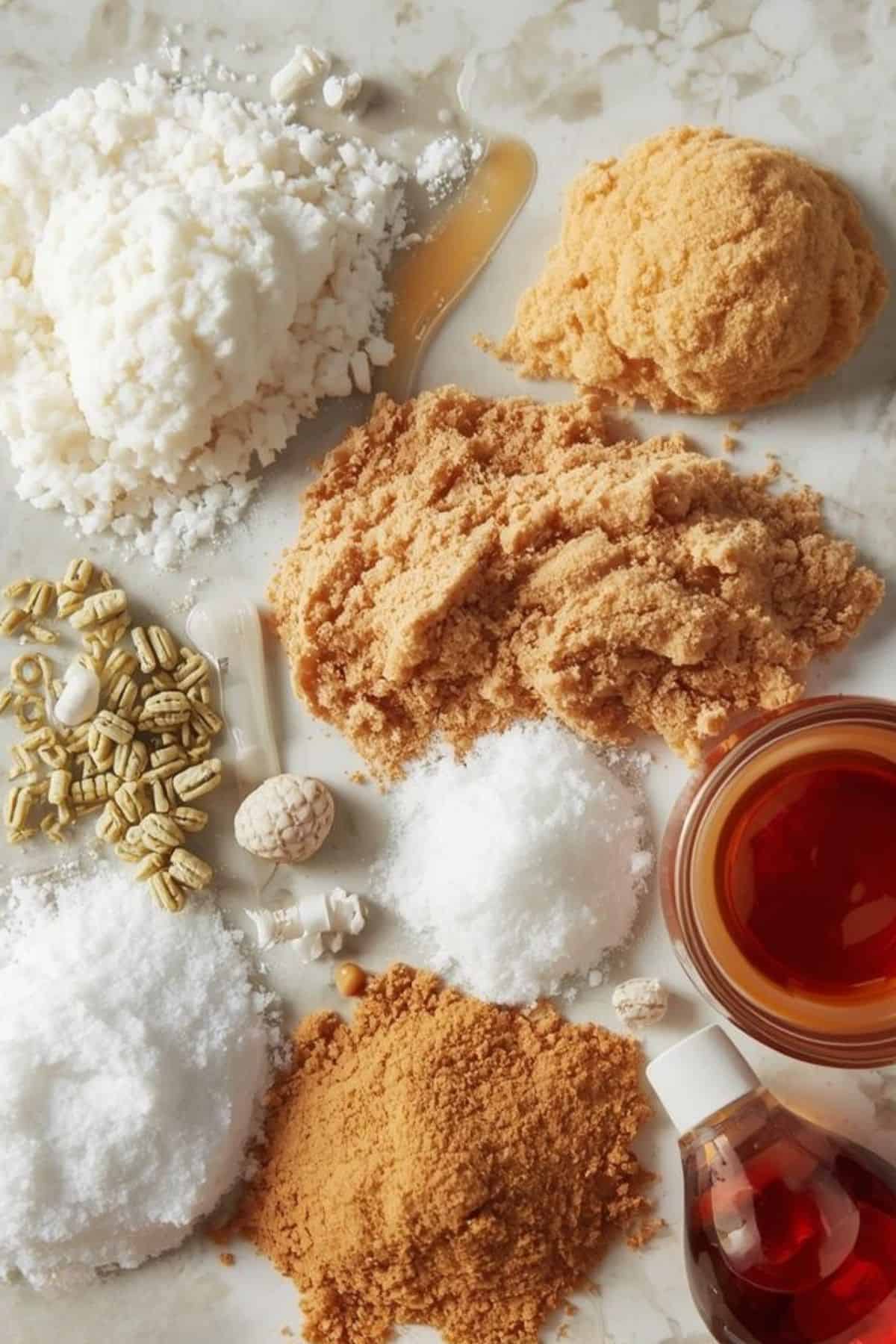
Quick Summary
GLP-1 friendly sweeteners: Allulose, monk fruit, stevia, and erythritol are zero-carb alternatives for people taking Ozempic or Semaglutide.
- Best for baking: Allulose
- Best taste: Monk fruit
- Most affordable: Stevia
Summarize & Save This Recipe On
Jump To:
- What Are GLP-1-Friendly Sweeteners?
- Top Sweetener Options Compared Side-by-Side
- Best Sweeteners for Ozempic: Which One Should You Choose?
- Which Sweeteners Are Not GLP-1 Friendly
- GLP-1 Sweeteners and Digestive Side Effects
- More diabetic resources you might enjoy
- Frequently Asked Questions
- Conclusion
- GLP-1 Friendly Desserts with Low-Carb Sweeteners
What Are GLP-1-Friendly Sweeteners?
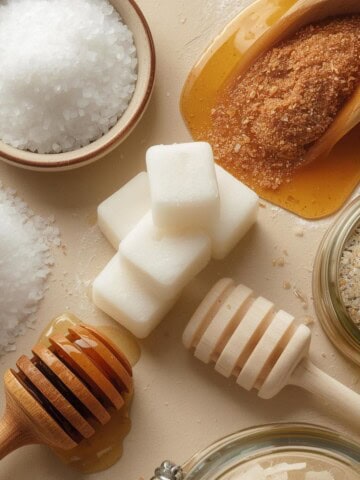
GLP-1-friendly sweeteners are sugar alternatives with zero or minimal carbohydrates. They're used by people taking Ozempic and Semaglutide who want sweet foods and beverages without the sugar. Popular options include allulose, monk fruit, stevia, and erythritol.
- Zero or near-zero calories: Stevia, monk fruit, allulose, erythritol
- Minimal carbs: All options above
- Natural vs. manufactured: Mix of both
- Best for baking: Allulose (browns and caramelizes)
- Best taste: Monk fruit (clean flavor, minimal aftertaste)
Pro Tip: Check ingredient lists. Commercial monk fruit products often contain erythritol as a bulking agent, which affects digestive tolerance for some people.
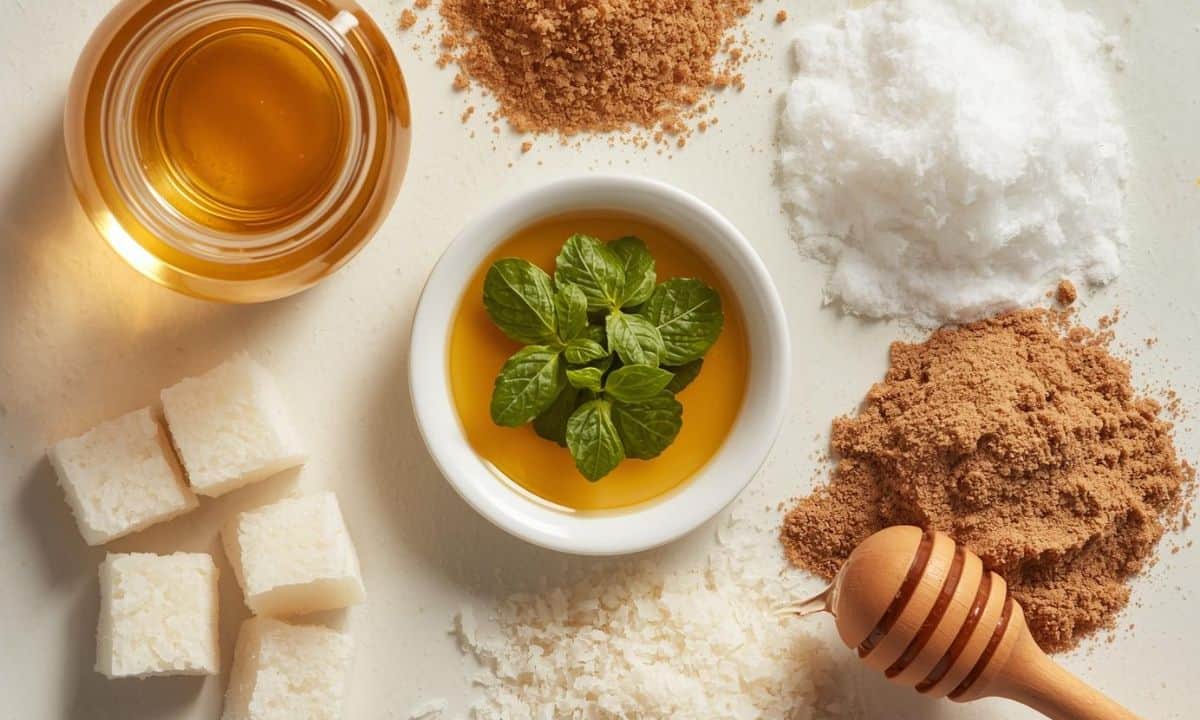
Top Sweetener Options Compared Side-by-Side
| Sweetener | Sweetness | Calories | Carbs | Taste | Baking | Cost | Best For |
|---|---|---|---|---|---|---|---|
| Allulose | 70% of sugar | ~0.2/g | Minimal | No aftertaste | Excellent (browns) | Higher | Baking, beverages |
| Monk Fruit | 100-300x | Zero | Zero | Clean, fruity | Good (blended) | Moderate | Drinks, sauces |
| Stevia | 200-300x | Zero | Zero | Can be metallic | Poor alone | Cheapest | Beverages, no-bake |
| Erythritol | Equal to sugar | ~0.2/g | ~0 | Clean taste | Very good | Budget | Baking, drinks |
| Xylitol | Equal to sugar | 2.4/g | Some | No aftertaste | Good | Moderate | Limited use |
Allulose: The All-Around Option
What it is: A rare sugar found naturally in figs and raisins. Manufactured for consumer use as a zero-carb sweetener option for GLP-1 users.
- Sweetness vs. sugar: 70% as sweet (use slightly more in recipes)
- Calories: ~0.2 per gram (negligible)
- Carbs: Minimal digestible carbs
- Taste: Closest to regular sugar; no aftertaste
- Baking: Excellent (browns and caramelizes like sugar)
- Cost: Higher price point
Best for: Baking, beverages, recipes needing sugar-like results.
Real example: Many commercial ice cream brands use allulose for its ability to create a texture similar to traditional ice cream. This is why allulose-sweetened desserts taste and feel more like the original.
Pro tip: When baking with allulose, use 1:1 or add an extra ⅓ cup for extra sweetness in recipes calling for sugar.
Need conversion help? Our Low Carb Sweeteners Guide includes printable conversion charts and detailed baking tips for each sweetener.
Monk Fruit: The Concentrated Natural Option
What it is: Extract from the luo han guo fruit. A concentrated sweetening compound with zero calories and zero carbs.
- Sweetness vs. sugar: 100-300x sweeter (requires small amounts)
- Calories: Zero
- Carbs: Zero digestible carbs
- Taste: Fruity, clean taste; minimal aftertaste when pure
- Baking: Can work, though often blended with erythritol for volume
- Cost: Moderate to higher
Best for: Hot beverages, sauces, recipes where a small amount of liquid sweetness works.
Important: Most commercial monk fruit products are 70% erythritol plus 30% monk fruit. Pure monk fruit extract is available but less common.
Pro tip: Monk fruit works best in drinks and sauces where you don't need bulk. For baking, blend it with allulose for volume and structure.
Stevia: The Ancient Plant Extract
What it is: Extract from Stevia rebaudiana leaves. Used for centuries in Paraguay and Japan. Zero calories, zero carbs.
- Sweetness vs. sugar: 200-300x sweeter
- Calories: Zero
- Carbs: Zero digestible carbs
- Taste: Can have a metallic or licorice aftertaste (varies by brand)
- Baking: Challenging (lacks bulk; needs bulking agents)
- Cost: Most affordable option
Best for: Hot/cold beverages, no-bake recipes, budget-conscious choices.
Erythritol: The Sugar Alcohol (Use Moderately)
What it is: Sugar alcohol made through fermentation. Nearly zero calories, minimal carbs.
- Sweetness vs. sugar: Equal (1:1 substitution)
- Taste: Clean; slight cooling sensation
- Baking: Excellent texture; can crystallize
- Cost: Budget-friendly
Best for: Baking, beverages, keto recipes.
Note: Can cause bloating or gas over 10g per day. Recent research raised questions about cardiovascular markers, but regulators still consider it safe. Limit to under 10g daily if concerned. Talk to your doctor.
Pro tip: Use 1.3 cups erythritol for 1 cup sugar in recipes.
Xylitol: The Dental-Friendly Option
What it is: Sugar alcohol derived from birch or corn. Clean taste, no aftertaste.
- Sweetness vs. sugar: Equal (1:1 substitution)
- Calories: ~2.4 per gram (40% less than sugar)
- Carbs: Some digestible carbs (not zero)
- Taste: Clean; no aftertaste
- Cost: Moderate
Best for: Gum, mints, limited baking (if you want dental benefits and have no pets).
Critical: Toxic to dogs and some pets. Do not use if you have pets.
Why it's limited for GLP-1 users: Contains more carbs than zero-carb sweeteners. Not ideal if minimizing carbohydrate intake is a goal.
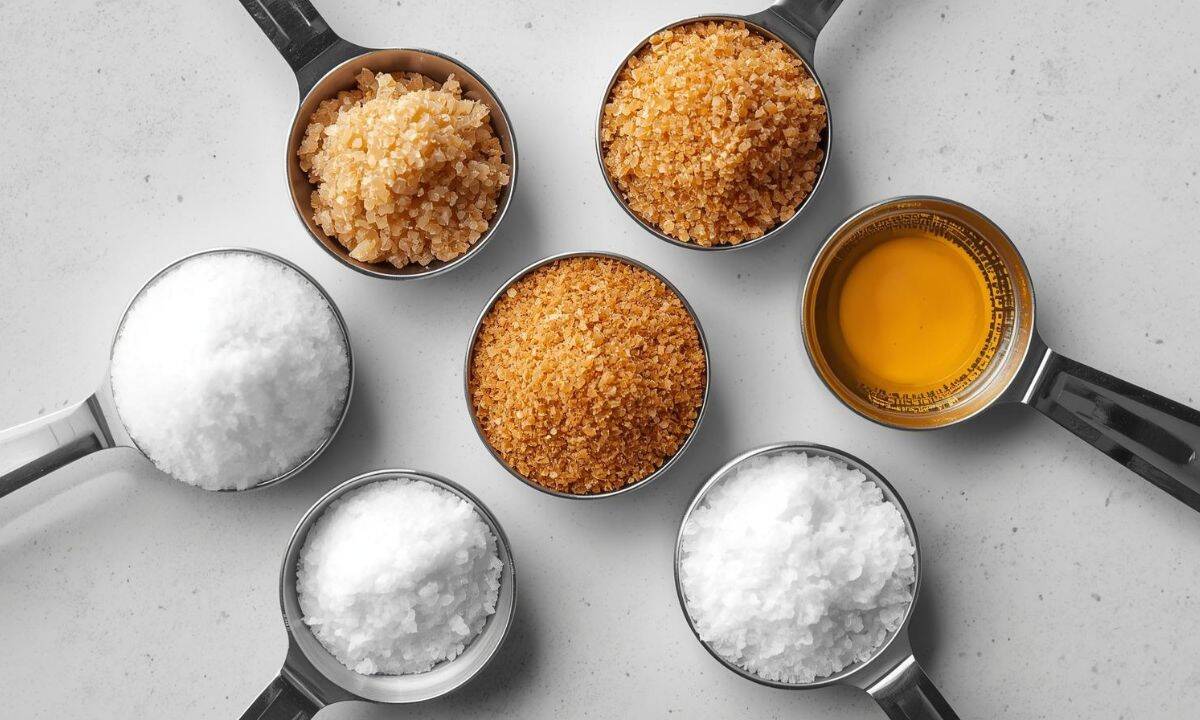
Best Sweeteners for Ozempic: Which One Should You Choose?
- Baking? Use allulose. It browns and caramelizes like sugar, giving you the best results. Use 1:1 or add an extra ⅓ cup for extra sweetness.
- Have digestive issues with sugar alcohols? Choose monk fruit or stevia instead. Both are well-tolerated and won't cause bloating.
- On a tight budget? Stevia is your cheapest option per serving. It works great in beverages and no-bake recipes.
- Want the closest taste to sugar? Allulose is worth the extra cost. If budget matters, monk fruit is a solid middle ground.
- Natural ingredients important? Monk fruit and stevia are plant-based. Allulose is naturally occurring but manufactured.
- Have pets? Skip xylitol, it's toxic to dogs. Any other sweetener is fine.
- Need something for daily coffee? Liquid stevia is affordable and dissolves instantly. Dilute it in water first to reduce the aftertaste.
For detailed conversion charts and more sweetener comparisons, see our comprehensive Complete Low Carb Sweeteners Guide. That post includes conversion tables, brand recommendations, and detailed baking tips.

Which Sweeteners Are Not GLP-1 Friendly
Most sweetener guides tell you what to use. This section tells you what to skip.
Sweeteners with high carbohydrate content aren't suitable for people watching carb intake:
- Honey, maple syrup, coconut sugar, agave. These are mostly sugar despite "natural" marketing.
Sugar alcohols to avoid:
- Maltitol: More digestible carbs than erythritol; may affect blood glucose more significantly.
- Sorbitol: Often causes digestive discomfort and contains more carbs.
- Xylitol: Toxic to dogs. May cause digestive issues in large amounts.
Artificial sweeteners should be used with caution:
- Sucralose (Splenda): Some people avoid it. Ask your doctor if it's right for you.
- Aspartame: Similarly debated. Discuss with your healthcare provider.
Bottom line: If taking GLP-1 medications, stick with zero or near-zero carb sweeteners like allulose, monk fruit, stevia, and erythritol. Talk to your doctor about which sweeteners to avoid based on your situation.
GLP-1 Sweeteners and Digestive Side Effects
- Erythritol: Well-tolerated in small amounts. Over 10g per day may cause bloating, gas, or loose stool. Limit to under 10g if you experience discomfort.
- Stevia & Monk Fruit: Generally well-tolerated with no digestive side effects for most people. Good options if erythritol bothers you.
- Xylitol & Sorbitol: Higher likelihood of digestive discomfort and laxative effects. Avoid if you have a sensitive digestive system.
- Artificial sweeteners (sucralose, aspartame): Individual tolerance varies widely. Work with your doctor to determine if these are right for you.
Starting a new sweetener:
- Begin with a small amount (half teaspoon)
- Use for 2-3 days to assess tolerance
- Gradually increase to normal amounts
Having issues?
- Bloating/gas: Switch to stevia or monk fruit
- Loose stool: Reduce erythritol or switch sweeteners
- Constipation: Not from sweeteners; increase fiber and water
Pro tip: Tolerance improves over time. Give it 2-3 weeks before deciding a sweetener doesn't work for you.

Frequently Asked Questions
Yes, you can use sweeteners while taking Ozempic or Semaglutide. Zero-carb options like stevia, monk fruit, and allulose make sense since these medications are often paired with lower-carb eating. Always discuss your diet and sweetener choices with your doctor. Individual responses vary, and they know your full health picture.
Extraction method, bulking agents, and concentration levels vary by brand. Some use erythritol as a filler (clean taste), others use maltodextrin or dextrose (cheaper, may affect digestion).
Read ingredient lists for "pure extract" with minimal additives. Check online reviews. Test multiple brands before settling on one.
Pro tip: Stick with one brand once you find it for consistency in recipes.
No single sweetener is best for everyone. All zero-carb options (stevia, monk fruit, allulose, erythritol) work well. Choose based on taste preference, digestive tolerance, budget, and intended use.
Bottom line: They're tools, not magic. Pair your sweetener choice with whole foods, protein, and fiber. Talk to your doctor about what works for your situation.
Conclusion
Choosing the right sweetener for your GLP-1 journey comes down to what works for your taste buds, budget, and digestive system. There's no one-size-fits-all answer, but allulose, monk fruit, stevia, and erythritol are all solid zero-carb options.
Start with one, test it for a few weeks, and see how you feel. If it doesn't work, try another. For detailed conversion charts, brand recommendations, and tested recipes using each sweetener, check out our comprehensive Low Carb Sweeteners Guide. And remember, talk to your doctor about which sweetener fits your individual health situation.
GLP-1 Friendly Desserts with Low-Carb Sweeteners
- Air Fryer Chocolate Donuts - Sugar Free
- Diabetic Friendly Double Chocolate Fudge Cookies
- Cafe Mocha Sugar Free Mini Cheesecakes
- Sugar Free Pumpkin Spice Cheesecake with Caramel Drizzle
- Sugar Free Lemon Loaf
- Low Carb Strawberry Cheesecake Ice Cream (Ninja Creami)
- Sugar Free Banana Pudding Brownies
- Almond Raspberry Cake Recipe
- Creamy Low Carb Chia Almond Butter Pudding
- Sugar Free Peppermint Mocha Cheesecake Bars
Oscar Chimenti says
This delivers practical, no-nonsense sweetener guidance for GLP-1 users with honest comparisons, real-world examples, exactly what readers taking Ozempic or Semaglutide actually need.